
Uses, Benefits, Nutrition, and Buying Guide
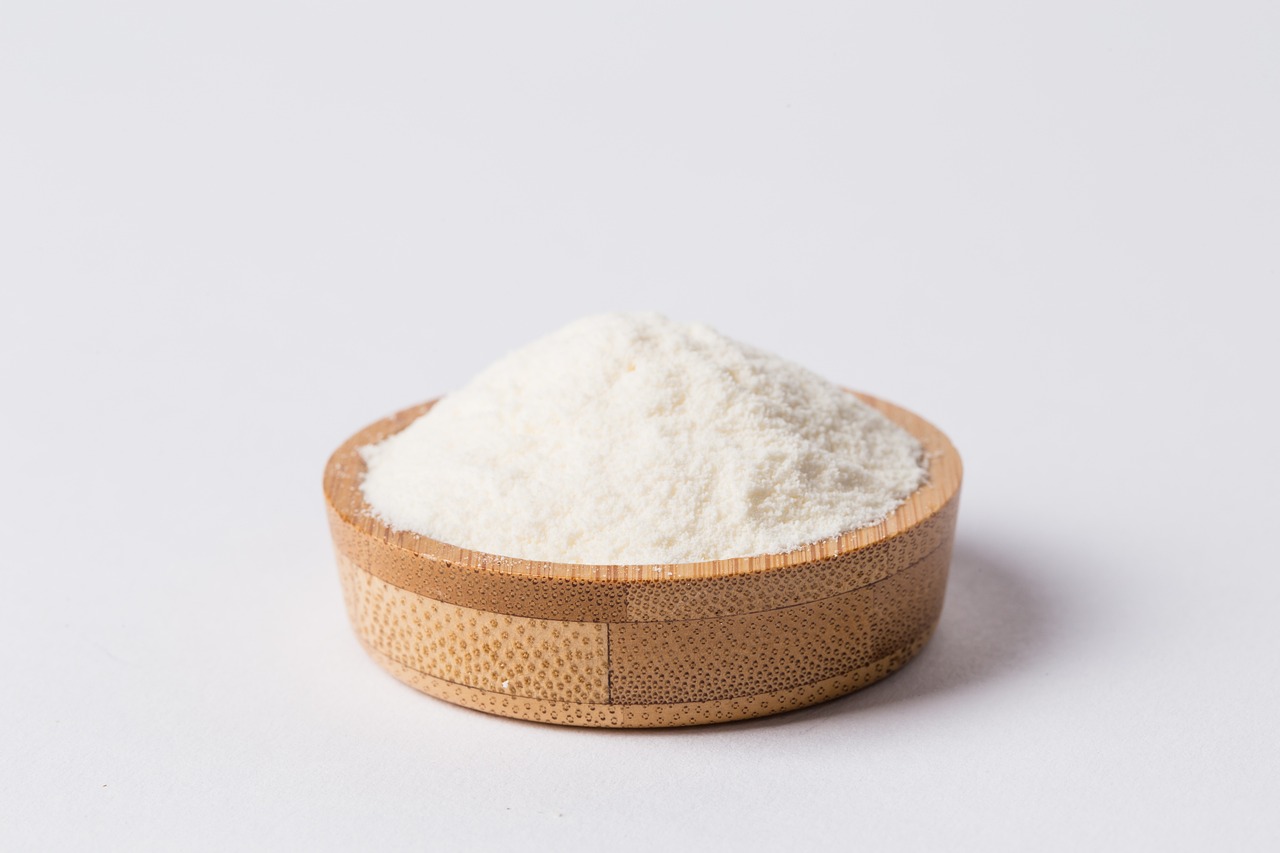
Whole milk powder, also known as full cream milk powder, is a versatile dairy ingredient widely used in food manufacturing, baking, confectionery, beverages, and household cooking. Thanks to its long shelf life, rich flavor, and high nutritional value, whole milk powder has become a preferred choice for both industrial buyers and consumers worldwide.
In this article, we’ll explore what whole milk powder is, its key benefits, common applications, nutritional value, and how to choose the right supplier when buying in bulk.
What Is Whole Milk Powder?
Whole milk powder is produced by evaporating water from fresh whole milk using spray-drying technology. The result is a fine, free-flowing powder that retains the natural fat content of milk—typically around 26–28%.
Unlike skim milk powder, whole milk powder contains milk fat, which gives it a creamy texture, richer taste, and higher energy value. Because of this, it is widely used in applications where flavor and mouthfeel are essential.
Common names include:
- Whole milk powder
- Full cream milk powder
- Spray dried whole milk powder
Key Benefits of Whole Milk Powder
1. Long Shelf Life
One of the biggest advantages of whole milk powder is its extended shelf life compared to liquid milk. When stored properly in cool, dry conditions, it can last up to 12–24 months without refrigeration.
2. Rich Taste and Creamy Texture
Thanks to its natural milk fat content, whole milk powder delivers a creamy flavor that enhances baked goods, chocolates, ice cream, and beverages.
3. Easy Storage and Transportation
Whole milk powder is lightweight, compact, and easy to transport, making it ideal for bulk purchasing, export, and industrial use.
4. Consistent Quality
Food manufacturers rely on whole milk powder for its uniform quality and predictable performance in recipes.
Nutritional Value of Whole Milk Powder
Whole milk powder is a nutrient-dense dairy product that provides essential vitamins and minerals.
Typical nutritional profile (per 100g):
- Protein: ~26%
- Fat: ~26–28%
- Carbohydrates (lactose): ~38%
- Calcium, phosphorus, potassium
- Vitamins A, D, B12
Because of its high energy content, whole milk powder is commonly used in nutrition products, beverages, and confectionery items.
Common Uses of Whole Milk Powder
1. Food & Beverage Industry
Whole milk powder is a key ingredient in:
- Chocolate and confectionery
- Ice cream and frozen desserts
- Dairy beverages
- Ready-to-drink mixes
2. Baking & Confectionery
Bakers use whole milk powder to improve:
- Flavor and aroma
- Crumb texture
- Browning and moisture retention
3. Household & Culinary Use
In home kitchens, whole milk powder is used for:
- Reconstituted milk
- Coffee and tea creamers
- Cooking and baking recipes
4. Industrial & Bulk Applications
Industrial whole milk powder is widely used by:
- Food manufacturers
- Dairy processors
- Catering and hospitality businesses
Whole Milk Powder vs Skim Milk Powder
Many buyers compare whole milk powder with skim milk powder before making a purchase.
| Feature | Whole Milk Powder | Skim Milk Powder |
|---|---|---|
| Fat Content | High (26–28%) | Low (≤1%) |
| Flavor | Rich and creamy | Neutral |
| Calories | Higher | Lower |
| Applications | Chocolate, ice cream, baking | Low-fat products |
If your product requires creaminess and full dairy flavor, whole milk powder is the better choice.
How to Choose the Right Whole Milk Powder Supplier
When buying whole milk powder—especially in bulk or wholesale quantities—it’s important to evaluate suppliers carefully.
Key Factors to Consider:
- Food safety certifications (ISO, HACCP, FSSC)
- Product specifications (fat content, solubility)
- Origin and quality of raw milk
- Packaging options (25kg bags, bulk packaging)
- Export and logistics experience
Reputable whole milk powder manufacturers and exporters should also provide technical data sheets and certificates of analysis upon request.
Buying Whole Milk Powder in Bulk or Wholesale
Bulk whole milk powder purchasing is common among food manufacturers and distributors. Wholesale buyers benefit from:
- Competitive pricing
- Consistent supply
- Custom packaging options
For alternatives, some buyers also consider Low Fat Milk powder or Sheep Milk powder depending on product needs.
Search terms such as “whole milk powder wholesale,” “bulk whole milk powder price,” and “whole milk powder exporter” are often used by B2B buyers looking for reliable suppliers.
Final Thoughts
Whole milk powder is a highly versatile, nutritious, and cost-effective dairy ingredient suitable for a wide range of applications. Whether you are a food manufacturer, baker, distributor, or consumer, choosing high-quality whole milk powder from a trusted supplier ensures consistent results and superior taste.
As global demand for dairy ingredients continues to grow, whole milk powder remains a cornerstone product in both domestic and international markets.